Ask any deal team whether tracking post-close value and synergy realization matters, and you'll get unanimous agreement. Ask whether they actually do it rigorously, consistently, with data tied back to original deal assumptions and the honest answer is usually the same: "We're working on it."
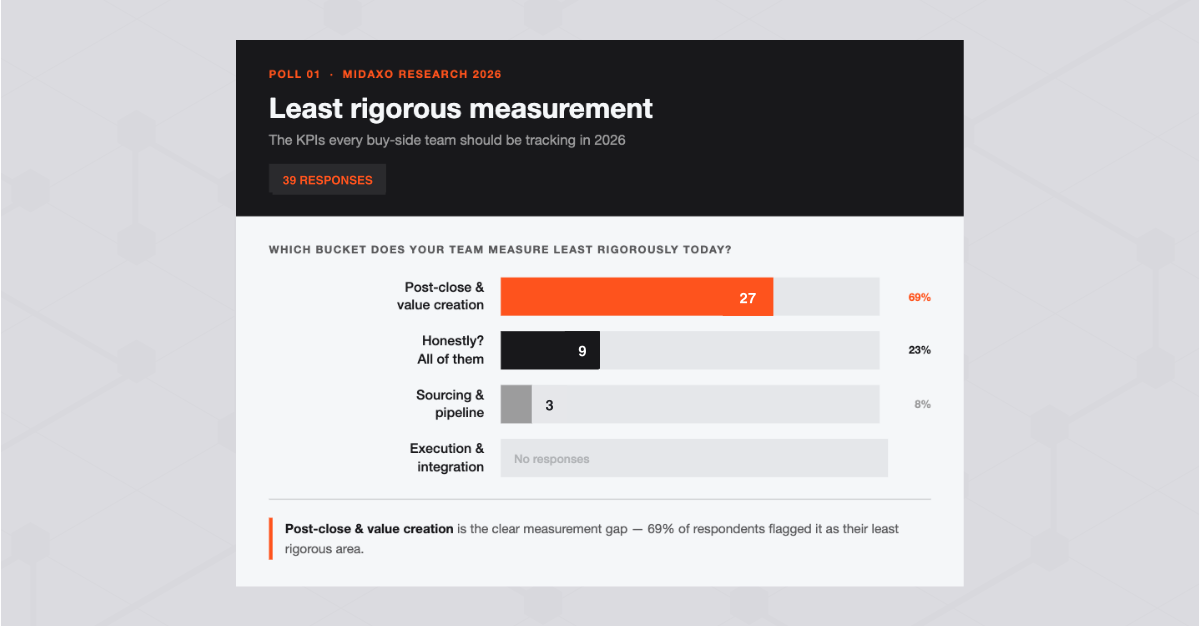
69%
of buy-side professionals say post-close value realization is the phase their team measures least rigorously
Midaxo webinar poll · "The KPIs Every Buy-Side Team Should Be Tracking in 2026" · May 2026 · n=39
The gap between aspiration and execution is wide, and it's costing teams real insight. But as we’ve seen from our webinars and conversations with practitioners, the root cause isn't a lack of intention. Most often, it’s a structural problem: by the time the deal closes, the data that would make post-close tracking meaningful is scattered across deal memos, models, diligence workstreams, and integration plans, often in different systems, owned by different people, formatted differently for every transaction.
Why post-close loses the prioritization battle
The deal lifecycle has a natural attention arc. Sourcing and screening/pipeline get energy because they're about new opportunities. Execution and closing get intensity because the stakes are immediate. But with post-close, attention scatters just as accountability blurs. The bankers move on and the deal team is onto the next transaction. Integration is someone else's department.
There's also a measurement problem. To track whether synergies are being realized, you need to know what synergies you projected. To evaluate whether the deal is on-thesis, you need the original thesis in a form that can be compared to today's operating reality. Most teams can locate these things, but they can't run that comparison systematically or quickly. With data so scattered, it's also hard to trust it, especially over the long periods of time that value tracking requires.
“
"We always say we'll go back and track whether the thesis holds a few years on. But the data is to scattered, it's hard to trust."
The long game: why measurement has to run for years
Here's the part that makes the measurement gap especially costly: you can't know whether a deal actually worked until well after most teams have stopped looking. McKinsey's analysis of 248 large deals over ten years found that it's only after the first 12 to 18 months of integration (after companies have reported year-one performance) that markets can reliably predict a deal's ultimate success or failure.
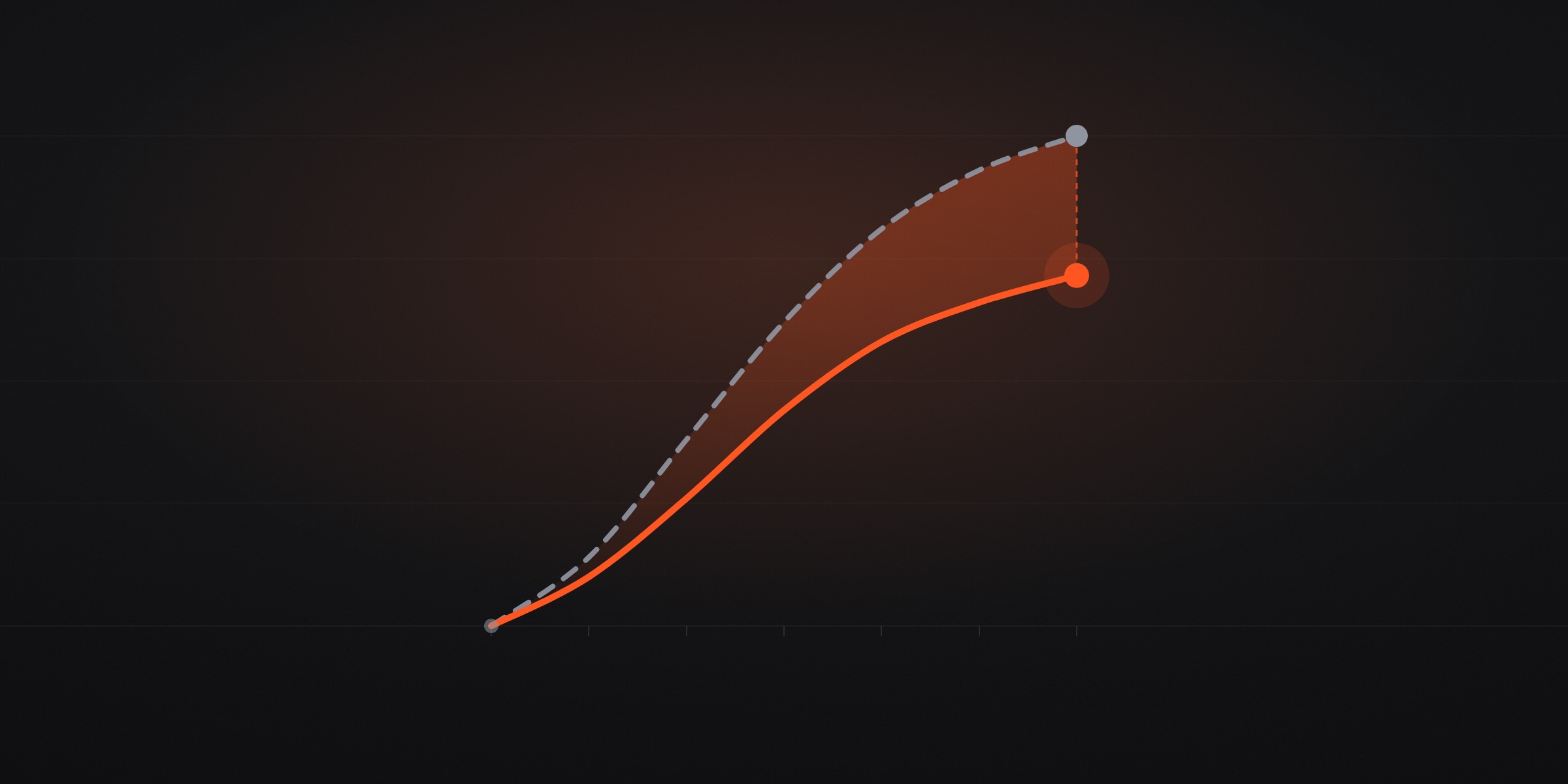
That's a long runway. And the teams that perform over that runway tend to stay ahead: 79% of deals whose shareholder returns outperformed the market index in the first 18 months were still above the index three years after close. The inverse is equally telling; deals that start poorly rarely recover.
18 mo.
Minimum time before markets can reliably judge whether a large deal succeeded or failed
McKinsey · analysis of 248 large deals
What this means practically is that post-close value tracking tracking isn't a 100-day exercise. It's a commitment that has to outlast the integration sprint, survive personnel changes, and stay connected to the original deal thesis.
The centralized data advantage
The teams that successfully close this loop share a structural trait: they treat deal data as a longitudinal record rather than a phase-specific artifact. When strategy documents, memos, diligence outputs, model assumptions, and integration milestones all live in a single deal record, accessible through the whole lifecycle, post-close analysis no longer feels like a soul-sucking project of reconstruction.
That shift is more significant than it sounds. When the original synergy assumptions from the investment thesis are stored alongside the PMI workplan and the post-close financials, a team can ask "are we on track?" without first spending three days hunting for what "on track" was supposed to mean. The data is there, the baseline is there, and the gap closes itself.
Centralized deal data also creates institutional memory that survives personnel changes—which, in a deal environment where advisors rotate and integration leads turn over, matters enormously. A team with a complete longitudinal record of deal assumptions and outcomes can train better models, sharpen its valuation instincts, and build the kind of pattern recognition that only comes from being able to look back across 10, 20, or 50 closed deals and ask: what did we get right, and where did the thesis break?
Moving it off the to-do list
The 69% figure from our webinar is a reflection of how the industry has historically been structured, not an indictment of buy-side teams. Measurement tooling has concentrated at the front end of the funnel: sourcing platforms, pipeline CRMs, diligence workflows. Post-close has been an afterthought at the infrastructure level, so it's become an afterthought in practice.
The answer isn't to hire more analysts to reconcile spreadsheets after close. Instead, why not build deal infrastructure where the data that makes post-close tracking possible is captured continuously in a single source of truth. Set your team up for success and move post-close value realization from the to-do list to the dashboard.
________
Based on poll data from "The KPIs Every Buy-Side Team Should Be Tracking in 2026" webinar, May 2026. McKinsey data sourced from Post-close excellence in large-deal M&A (2021).