In Part 3 of this series, we explored how an M&A Intelligence Platform transforms due diligence: standardizing the process, centralizing issue tracking, and enabling the cross-functional collaboration that helps teams prove or disprove a deal thesis faster. Now we turn to what happens next.
Post-merger integration (PMI) is where deal value is either realized or quietly surrendered. And yet, for many organizations, the transition from diligence to integration still looks something like this: a handoff meeting, some shared folders, a few email threads, and a new team trying to reconstruct context that the diligence team spent weeks accumulating.
That's an enormous amount of institutional knowledge walking out the door at exactly the moment it's needed most.
The mindset problem precedes the systems problem
There's a well-documented tension at the heart of M&A that shapes everything downstream. Too often, organizations performing M&A are focused on "Are we going to do this deal?" There's nothing inherently wrong with that; getting a deal to close is no small task. But that mindset alone has proven ineffective at achieving deal synergies.
Forward-thinking organizations have shifted toward a different question: "How are we going to make this deal work?"
That shift in mindset is significant. But mindset alone doesn't solve the problem. Without the right infrastructure connecting deal stages, even the most integration-forward teams end up working against themselves — passing knowledge through PowerPoint decks, reconstructing assumptions that should have carried forward automatically, and starting integration in reactive mode rather than with the running start they needed. The mindset shift and the systems shift have to happen together.
The handoff problem is a systems problem
The deal team or diligence team knows which IT systems are incompatible. They know which key employees expressed hesitation. They know where the financial model was stress-tested and where assumptions were taken on faith. They flagged risks, validated (or complicated) synergy hypotheses, and built a nuanced picture of the target that goes far beyond any summary document.
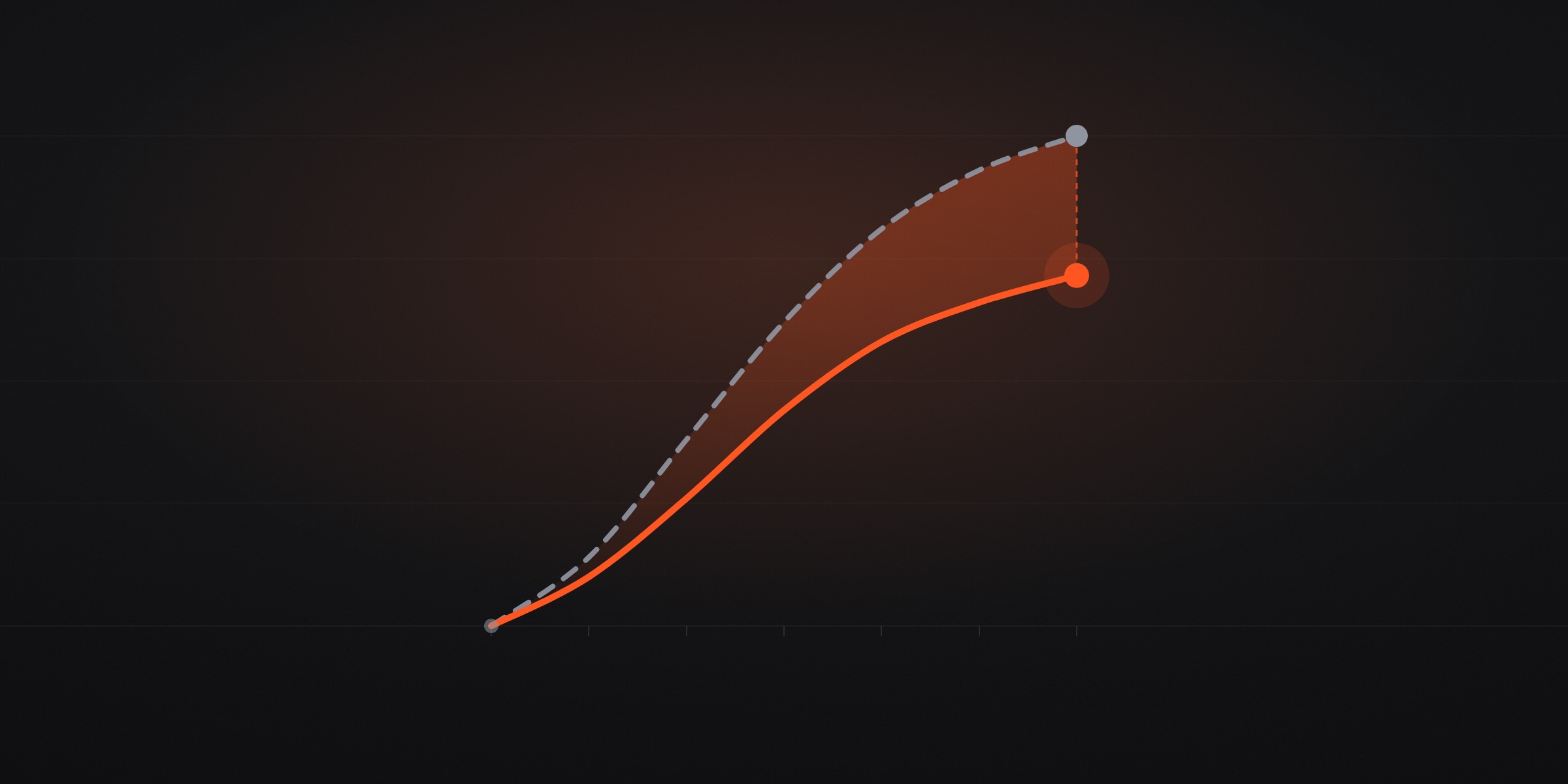
One of the most common disappointments in post-merger integration is discovering that the synergies outlined in the business case don't hold up under operational reality. The customer base reacts differently than expected. A key employee leaves. The technology integration proves more complex than the model assumed.
These aren't always surprises. Often, the signals were present during diligence. The diligence team was asking exactly the right questions:
- What is the true willingness of key employees to remain?
- What will be the reaction of the customer base?
- Are the technology systems compatible?
But those answers never made it into the integration plan in a structured, traceable way. When integration begins in a disconnected environment, the whole picture has to be rebuilt. Integration leads are starting behind, often without realizing it. And in M&A, lost time in the early weeks post-close is rarely recovered.
What a connected platform changes
We’ve been banging the same drum in the last three parts of this series: an M&A Intelligence Platform doesn't just improve individual stages of the deal process, it connects them. When diligence and integration operate inside the same environment, the handoff stops being a discrete event and becomes a continuous thread.
In a perfect world, Integration teams aren't waiting for a summary deck. They immediately have access to the full diligence record: documents reviewed, issues flagged, assumptions made, risks identified and their severity. They can see what was confirmed and what remains open. They can trace a synergy assumption back to the specific finding that validated it. That’s context continuity across the M&A lifecycle in practice.
It's now widely recognized as best practice that integration planning should begin before Day One of legal ownership. But that principle is far easier to act on when diligence and integration live in the same environment. When they're disconnected, "early integration planning" usually means a parallel workstream operating in a vacuum, without full visibility into what diligence is actually finding. When they're connected, integration leads can begin shaping workstream plans, identifying owners, and mapping the integration framework to the specific deal type while diligence is still underway.
The IMO and integration leads need to understand the deal rationale clearly enough to ask the right questions: What are we buying and why? Where will value be captured? Which integration framework fits this particular deal? Those questions shouldn't first be asked at the kickoff meeting after close. They should be embedded in the process from the start.
Synergy realization requires synergy visibility
Alongside critical success factors, organizations need defined indicators of post-close success — ones that are communicated not just within the integration team, but back to corporate development as well. Both sides need to understand what a successful post-close actually looks like.
That means having both critical value drivers (new customers gained, employee retention, margin improvement) and measurable KPIs — financial, strategic, operational, and qualitative — established before integration begins, and connected to the assumptions made during diligence.
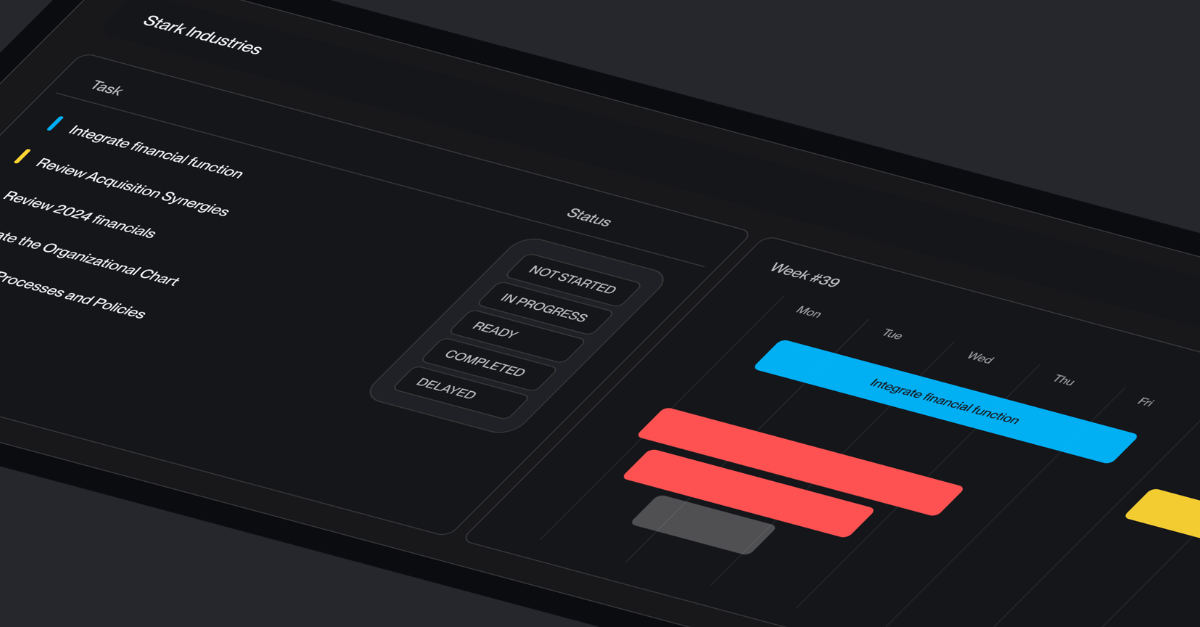
A purpose-built platform gives the IMO what it needs to track synergy realization against those actual commitments, not a generic framework applied after the fact. Workstream leads can see their tasks, track progress, flag risks, and connect their work back to the deal thesis. That visibility — across all workstreams, in real time — is what allows an integration leader to manage the process rather than chase it.
The measure of a deal
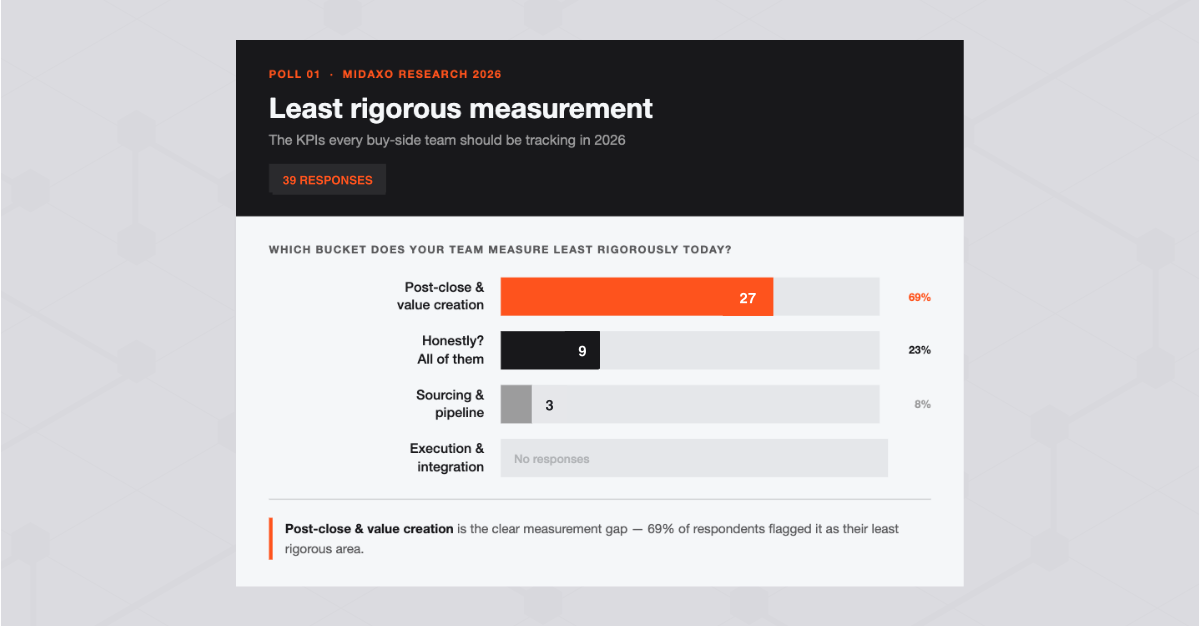
Corporate development teams are often measured on deals closed. Integration teams are measured on what those deals deliver. Too often, those two realities exist in separate conversations, with separate tools, and without enough connective tissue between them.
An M&A Intelligence Platform changes that equation. It gives both teams a shared record of what was intended, what was discovered, and what needs to happen for the deal to succeed.
That continuity is what separates acquirers who consistently capture deal value from those who are still asking, months post-close, why the synergies haven't materialized. The question was never just "Are we going to do this deal?" The question that determines whether the deal was worth doing at all is "How are we going to make this deal work?" A connected system is the answer.
Next in the M&A Intelligence Series: On synergy tracking & how leading acquirers move from modeling value to measuring it, and why most organizations are still flying blind on this.
Explore more on post-merger integration across our resource hub.
Midaxo is the M&A platform built for serious acquirers and sellers, purpose-built to run due diligence, manage pipelines, and drive integration in one connected environment. Set up a time to see the platform in action.