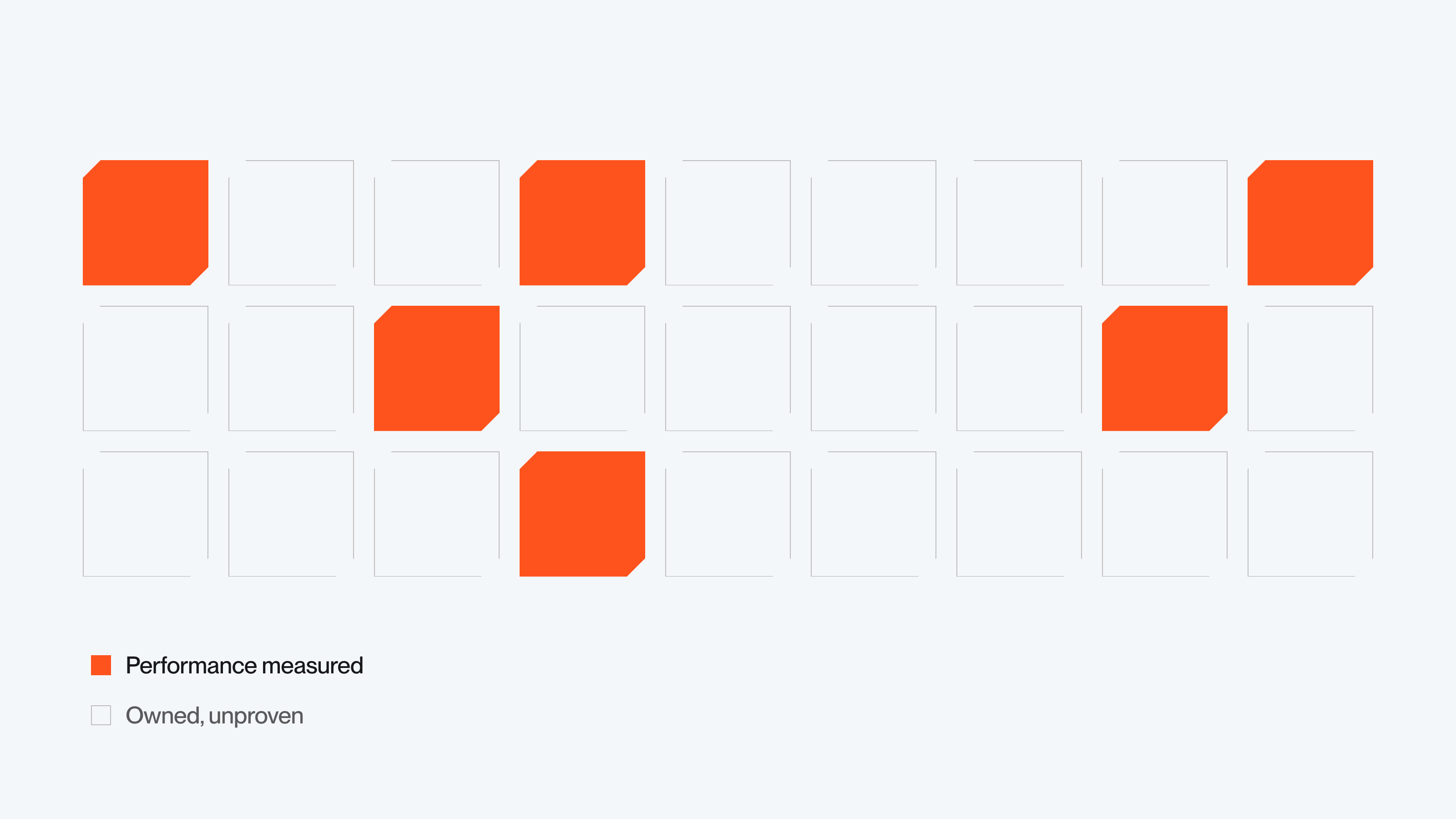
The TL;DR — Home services is the most active roll-up sector in the country, and the operators crushing their goals aren't necessarily the ones with the most capital, but those with the most repeatable acquisition process and minimized entropy. The best-run platforms close new deals without starting from scratch every time, and they do that by replacing spreadsheets and scattered email with a single system that carries every deal from first conversation through integration. This guide walks through how a home services buy-and-build actually runs, stage by stage, and where deals leak value when the process doesn't scale.
Why home services is the most active roll-up sector in America
Walk through any suburb and you're looking at an acquisition pipeline: the HVAC company, the plumber, the electrician, the roofer, the pest-control route. Most are owner-operated, most do under $5 million in EBITDA, and most owners are within a decade of wanting out. That combination—tens of thousands of small, profitable, fragmented operators—is exactly what draws private equity and serial acquirers to a space, and it's why home services now leads nearly every sector by add-on deal count.
The economics reward consolidation. A platform that owns twenty local brands buys equipment, trucks, and insurance at better rates, markets across a whole region, and routes overflow demand between brands. And the revenue quality is unusually good for a services business: recurring maintenance agreements and service contracts smooth out the project-based swings. That's also why valuations vary so much across the trades; recurring-heavy models like pest control reportedly trade at meaningfully higher EBITDA multiples than project-driven work like residential roofing, because contracted revenue is worth more than one-off jobs.
But, none of that value shows up automatically. It shows up when a platform can find, evaluate, and absorb acquisitions more easily and reliably than its competitors, without dropping the ball on the deals in flight.
Where home services roll-ups break
The failure mode is rarely strategy, more often throughput. A company that can comfortably run two deals a year in a spreadsheet hits a wall the moment it tries to scale. Follow-ups more easily slip, the diligence checklist that lived in one associate's inbox doesn't always travel to the next deal. The integration team inherits a folder of files with no context for why anything was decided. It's a recipe for lost deal momentum, and might be the reason a motivated seller drifts to another buyer.
This is the case for pipeline and broader M&A software that most frequent acquirers eventually reach: once you're doing multiple deals a year, the constraint is really coordination. Every deal has the same moving parts —sourcing, diligence, close, integration—and every time those parts live in a different tool or a different person's head, the project loses a little speed and a little value. Multiply that across a portfolio of add-ons and it's the difference between a thesis that compounds and one that stalls after the platform deal.
The home services acquisition playbook, stage by stage
Some might argue that the fix is adding more people to manage a greater workflow, but that's a luxury most teams aren't afforded. The golden ticket is really a repeatable process that every deal runs through. A purpose-built M&A platform turns the process into a codified system, so the tenth acquisition runs the same disciplined way as the first did. Here's what each stage looks like, roughly, for a home services acquirer.
The buy-and-build playbook
The home services acquisition playbook, stage by stage
01
Strategy & sourcing
Build a scored target list of local operators.
- Rank HVAC, plumbing, electrical & roofing targets by fit
- Keep every conversation in one pipeline
02
Due diligence
Verify the business behind the brand.
- Service-contract quality & recurring revenue mix
- Technicians, licensing, fleet & backlog
03
Deal close
Keep momentum all the way to signing.
- Centralized documents & approvals
- Automatic email capture, no dropped follow-ups
04
Integration
Onboard the crews and keep the brand.
- Repeatable playbook for systems, payroll & dispatch
- Retain owners, preserve local culture
05
Synergy tracking
Prove the platform thesis is real.
- Track cross-brand procurement & pricing gains
- Measure realized vs. planned synergies
1. Strategy and sourcing. Build and score a target list of local operators against your fit criteria (trade, geography, revenue mix, owner intent) and keep every conversation in one pipeline instead of a spreadsheet. The goal is that no promising target ever goes cold because a follow-up got lost.
2. Due diligence. In home services, the diligence that matters is about the business behind the brand: the quality and stickiness of service contracts, the share of recurring versus project revenue, technician headcount and licensing, fleet condition, and the real backlog. A structured, repeatable diligence workflow means you ask the same right questions on every deal and can compare targets on the same terms.
3. Deal close. Momentum wins deals. Centralized documents, clear approvals, and automatic email capture keep everyone moving toward signing without the version-control chaos of emailed attachments.
4. Integration. This is where the value is won or lost. A home services integration is people-first and entails onboarding crews, dispatch, payroll, and systems while trying not to break what made the acquired company good. The platforms that scale run a repeatable post-merger integration playbook and, critically, keep the owner engaged and the local brand intact rather than stamping a corporate identity over it on day one.
5. Synergy tracking. The platform thesis only counts as realized if the synergies are real. Track cross-brand procurement savings, shared marketing, and pricing gains against what you underwrote, so you know which levers actually delivered and can underwrite the next deal more sharply.
How Leap Partners runs about one acquisition a month
Leap Partners is a Southeast home services platform in HVAC and plumbing, acquiring smaller businesses to build a family of brands. Early on, a growing pipeline collided with a small team and spreadsheet-based tracking—the exact wall described above, with follow-ups at risk and deal context scattered across email.
After moving their workflow onto Midaxo, Leap Partners is able to run at roughly three acquisitions a quarter, about one a month, while deliberately preserving each acquired company's culture and keeping owners on board. As VP of Business Development Justin Deese put it: "We don't email spreadsheets anymore. Everything goes into Midaxo. It's fast, secure, and reliable." (Read the full Leap Partners story.)
The number that separates platforms that scale from ones that stall
If you take one metric away from this guide, make it deal cadence, the rhythm at which you can close and absorb acquisitions without breaking the ones already underway. A platform closing one clean, well-integrated deal a month will out-compound a rival that does four in a burst and then spends two quarters untangling them. Cadence is a process metric, not a capital one, but it's a telling read on whether a buy-and-build will actually deliver its thesis. Operators who hit a monthly rhythm often succeed by adopting the same playbook: every deal runs through one system, so nothing has to be reinvented deal to deal.
Frequently asked questions
What is a home services roll-up?
A home services roll-up is a buy-and-build strategy where a platform company acquires many small trades businesses (i.e. HVAC, plumbing, electrical, roofing, pest control) and operates them together to gain scale in purchasing, marketing, and operations. Consolidation is still early in most trades, which is why deal activity is so high.
Why is private equity buying HVAC and plumbing companies?
Because the sector is highly fragmented, profitable, and rich in recurring revenue from service contracts and maintenance agreements. Many owner-operators are also aging toward retirement, creating a steady supply of sellers. Scale then improves margins through better procurement, shared marketing, and cross-brand demand.
What software do home services acquirers use to manage deals?
Serial acquirers tend to use dedicated M&A software rather than spreadsheets once they're doing multiple deals a year. A platform centralizes the pipeline, diligence, closing documents, and integration in one place, so deal context travels with the deal and follow-ups don't slip.
How many acquisitions can one platform realistically do per year?
It depends on team size and process maturity, but well-run home services platforms can realistically sustain 3 to ten deals per year once they have a repeatable system for sourcing, diligence, and integration. The constraint is usually coordination, more than capital.
What's the hardest part of integrating a home services acquisition?
People and continuity. You're onboarding crews, dispatch, payroll, and systems while trying to retain the owner and preserve the local brand and culture that made the business work. A repeatable integration playbook and clear synergy tracking are what keep integrations from eroding the value you paid for.
Ready to run more deals without more chaos? See how frequent acquirers evaluate their options in our 2026 guide to comparing M&A software, then book a walkthrough to see the home services playbook in action.