Article
M&A in practice
The hard part to measure in today's M&A
With deal flow down, boards and LPs are weighting portfolio performance over deal count. Most platforms weren't built to track what happens after signing.
Article
M&A in practice
With deal flow down, boards and LPs are weighting portfolio performance over deal count. Most platforms weren't built to track what happens after signing.

August 31, 2026
•
3 minutes
For most of the conversations I've had with PE-backed teams over the years, the pressure sat on the front end: source more, move faster, close more deals. Lately it's shifted. The firms I talk to are getting asked just as hard a question about the assets they already own.
Increasingly, the first twenty minutes of a board update aren't about the pipeline at all. They're about a company the firm bought two years ago, and whether the synergies from that deal ever actually showed up.
It's not that anyone's stopped caring about new deals. It's that new deals aren't the whole scorecard anymore, especially for PE firms managing a hold period, not just a close date. LPs are asking sharper questions about existing holdings. Boards want to know, mid-hold, whether the thesis they approved is actually playing out. And when deal flow slows the way it has this year, that scrutiny doesn't slow down with it, it just points somewhere else: at what's already on the books.
That's a different kind of question than "did we close it." It's "is it working."
Ask most deal teams what their software is for, and they'll describe the acquisition motion, sourcing, diligence, getting to signature. That part is well served. There's a tool, or five, for every step of it.
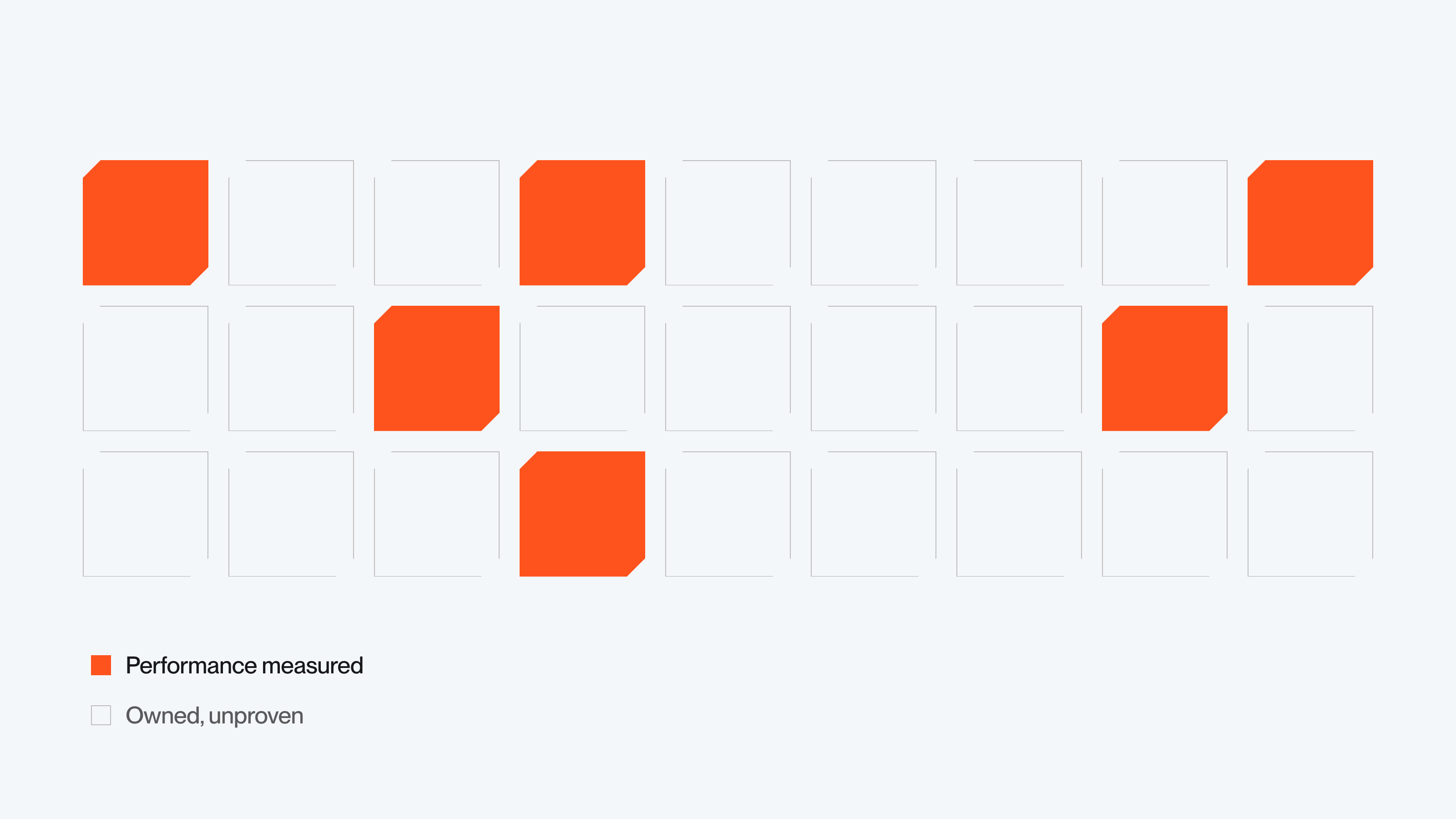
Ask what happens after close, and the answer gets vaguer. A check-in call. A spreadsheet somebody owns until they change roles and somebody else inherits it, minus the context. A board slide rebuilt from scratch each quarter because nothing upstream of it was actually tracking the numbers it needs.
That gap used to be forgivable, because nobody was looking that closely at what happened after signing. They are now.
The teams doing this well aren't running a separate system for it. They're using the same platform they diligenced the deal in, and simply not shutting it off at close.
Concretely, that means instead of getting filed away, the synergy assumptions from the original model get checked against what's actually happening, on a cadence, not just when someone remembers to ask. It means seeing the whole portfolio in one view instead of piecing together five companies' worth of one-off updates. And it means the flags show up before the quarterly review forces the conversation, not during it, because by the time a board meeting surfaces a problem, it's usually been true for a while.
None of that is exotic. It's mostly the discipline of not letting the thing you tracked carefully pre-close go untracked post-close. Guardian Fire Protection is a good example of what this looks like in practice, a PE-backed buyer that's been scaling acquisitions for nearly two decades and still runs the whole thing on one system.
If deal count was ever the main story, it isn't now. The firms that seem least rattled by this shift are the ones who can answer "how's the portfolio doing" without scrambling to build the answer from scratch.
That's really the throughline for us here: a platform built for M&A shouldn't retire the moment a deal closes. It should be the system you run the asset on for as long as you own it, everything in one place with all the critical details attached.
Sep 10, 2026
•
3 minutes