The M&A
Intelligence
Platform
Run easier, faster, smarter deals with M&A software that helps manage the full deal lifecycle: from strategy and sourcing to integration and value creation.
2024
2025
2024






platform
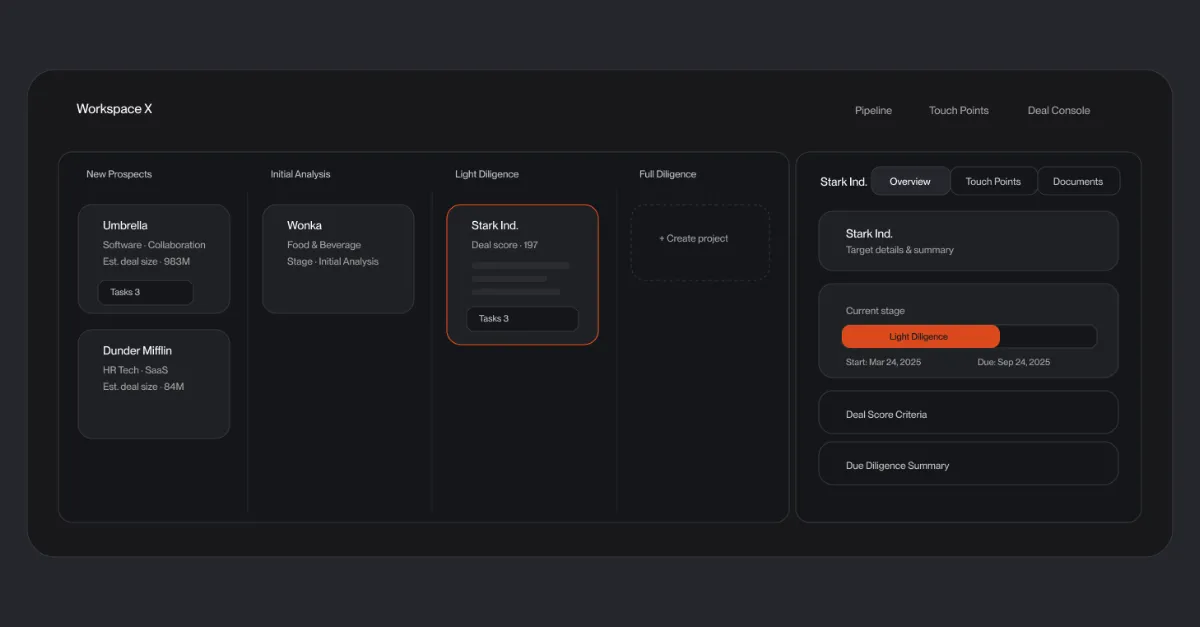
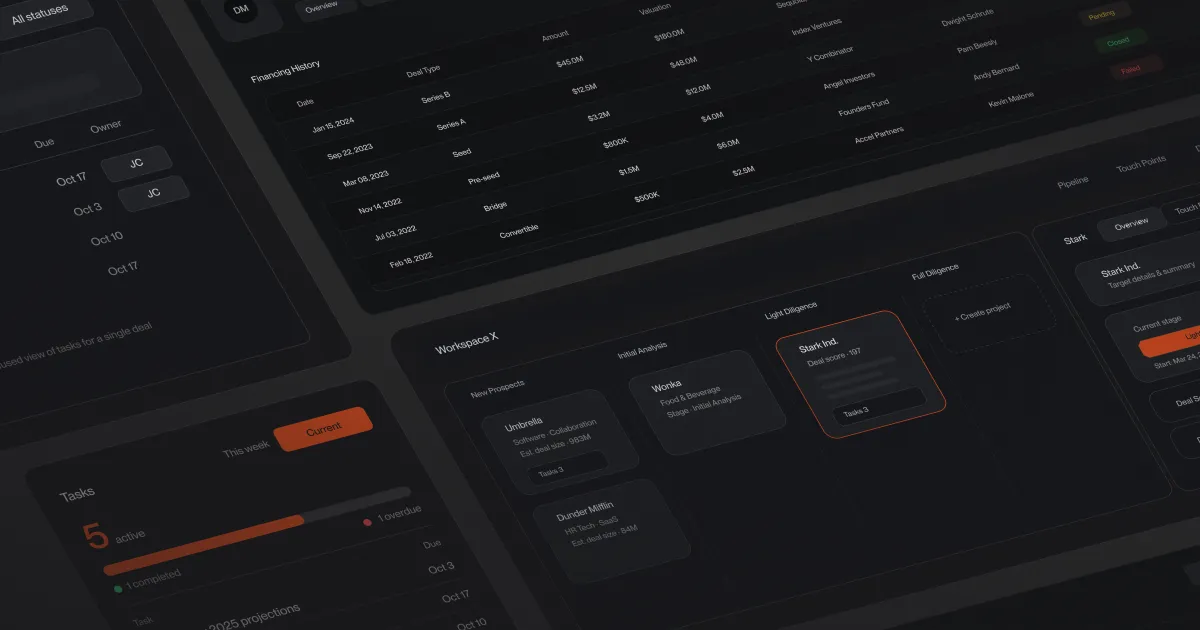
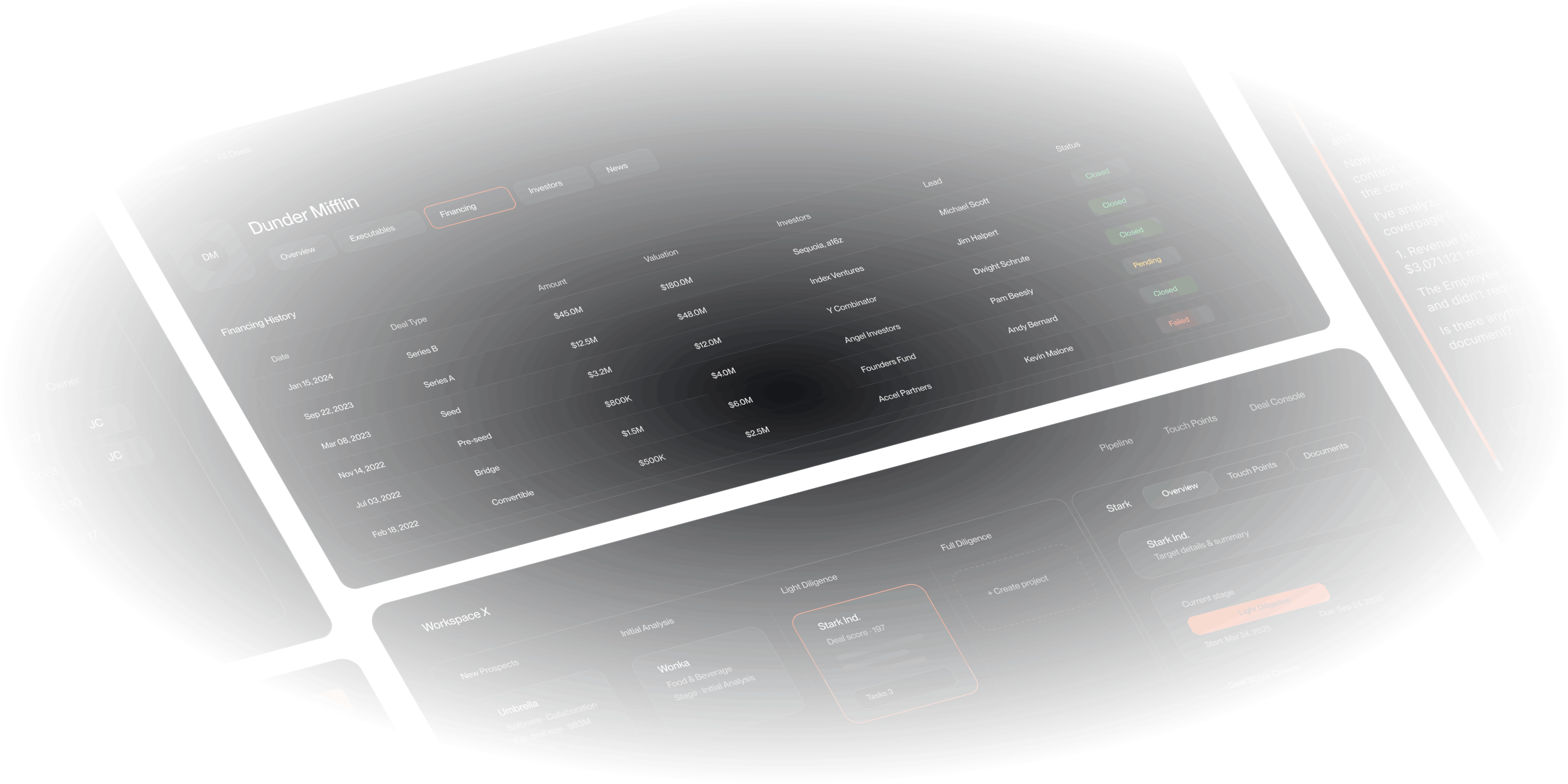
An M&A tool built for the way your teams plan, find, evaluate, and deliver on inorganic growth. Our deal management software combines pipeline CRM, project management tools, and integration software into a single, secure platform to make complex deal execution easier.
M&A Strategy
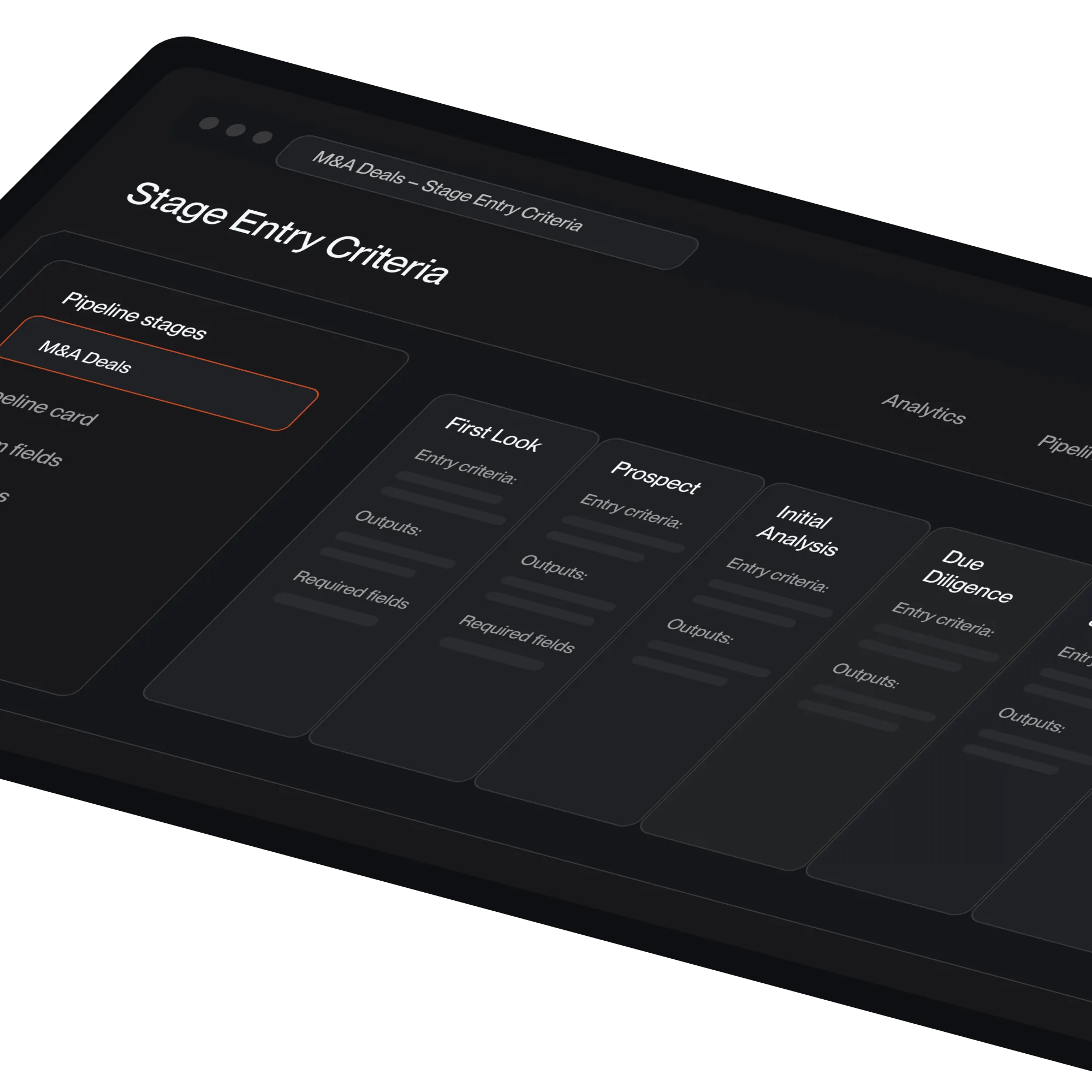
Plan, prioritize, and align M&A strategy with corporate goals using structured tools built for long-term growth.
Gain insight and focus on impact in a centralized M&A software platform. Prioritize opportunities, align stakeholders, and focus on the deals that matter most.
“We needed a repeatable process that delivered consistent quality and results—and a platform to support it. Midaxo delivered.”
.webp)
Chief Strategy Officer, NCS Engineers
PIPELINE CRM
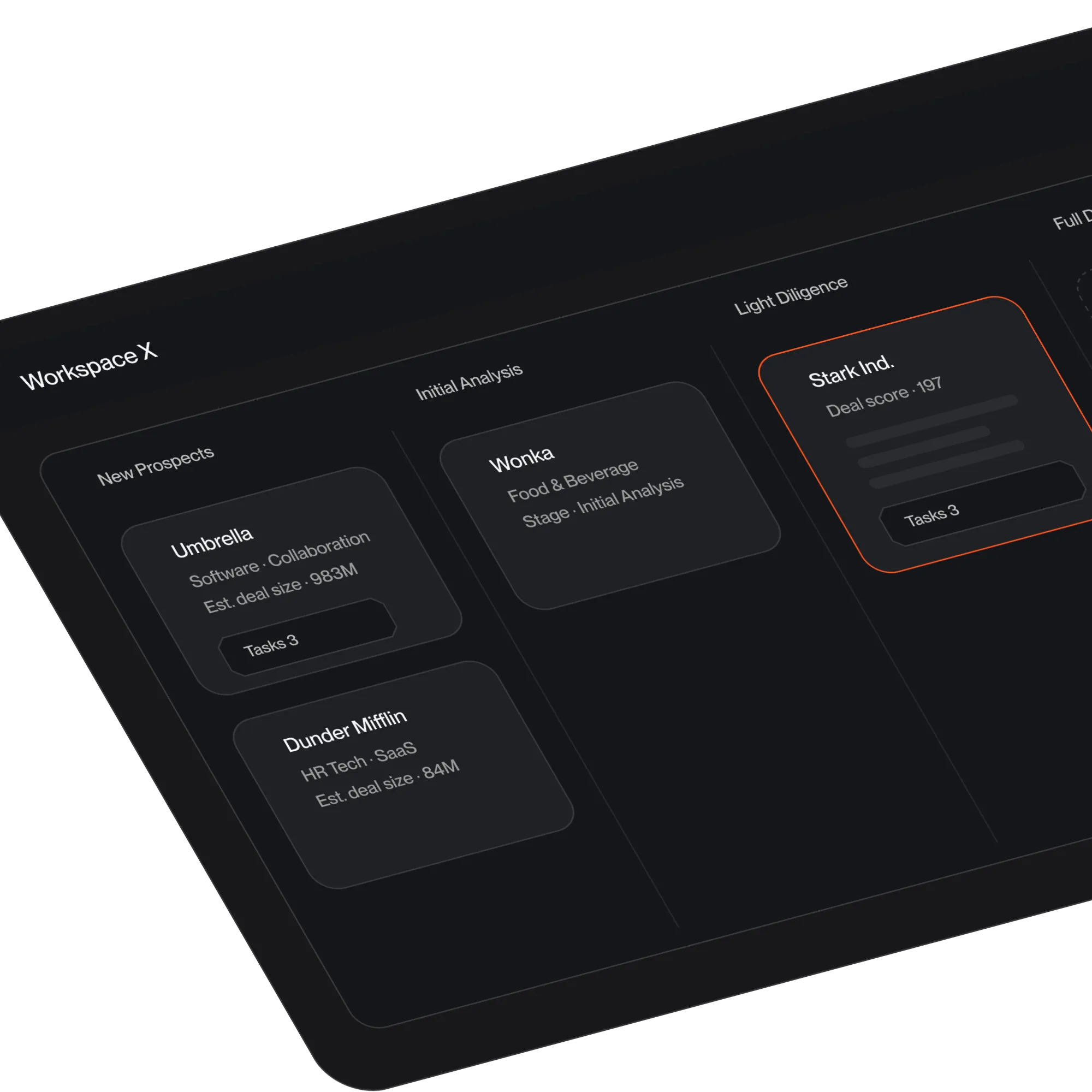
Centralize your pipeline and find the right opportunities with smarter sourcing. Build target lists, simplify communication, never miss a meeting or followup.
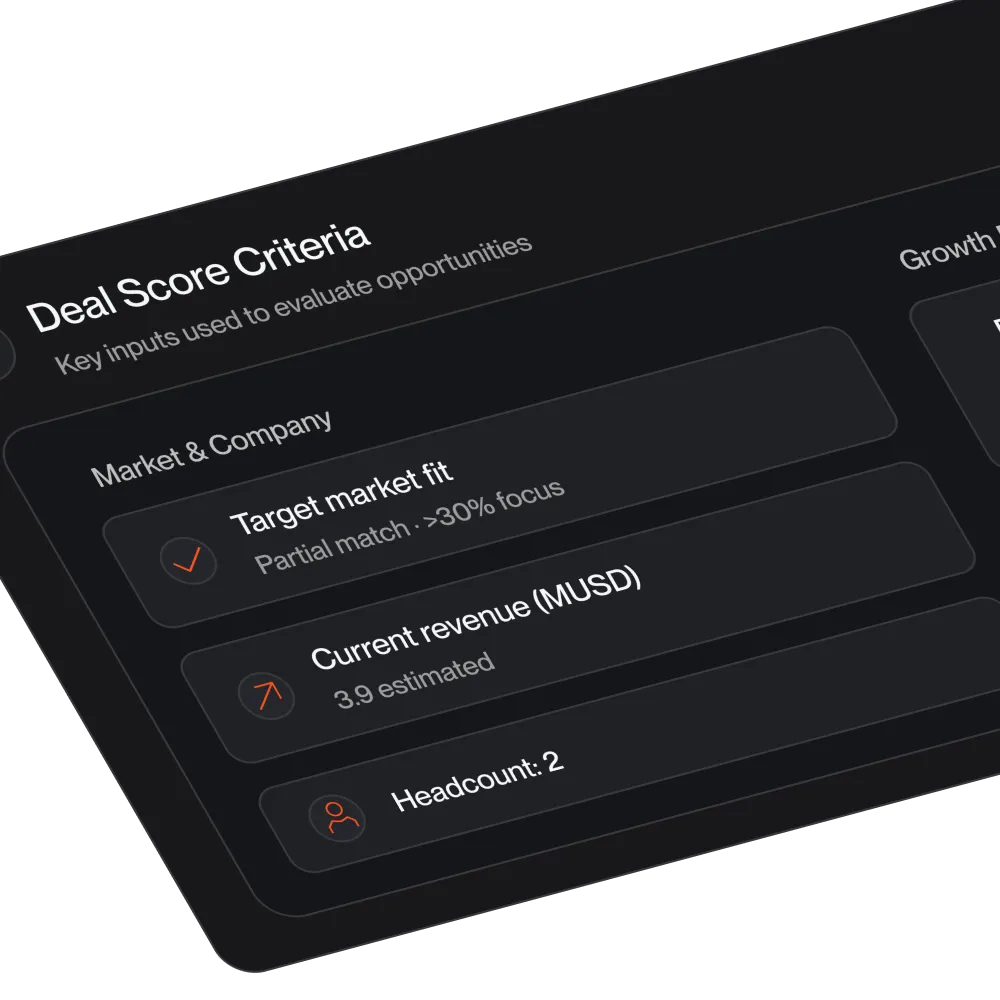
Automate your process with deal scoring and touch points that let you track progress, compare, and collaborate in real time.
Due diligence
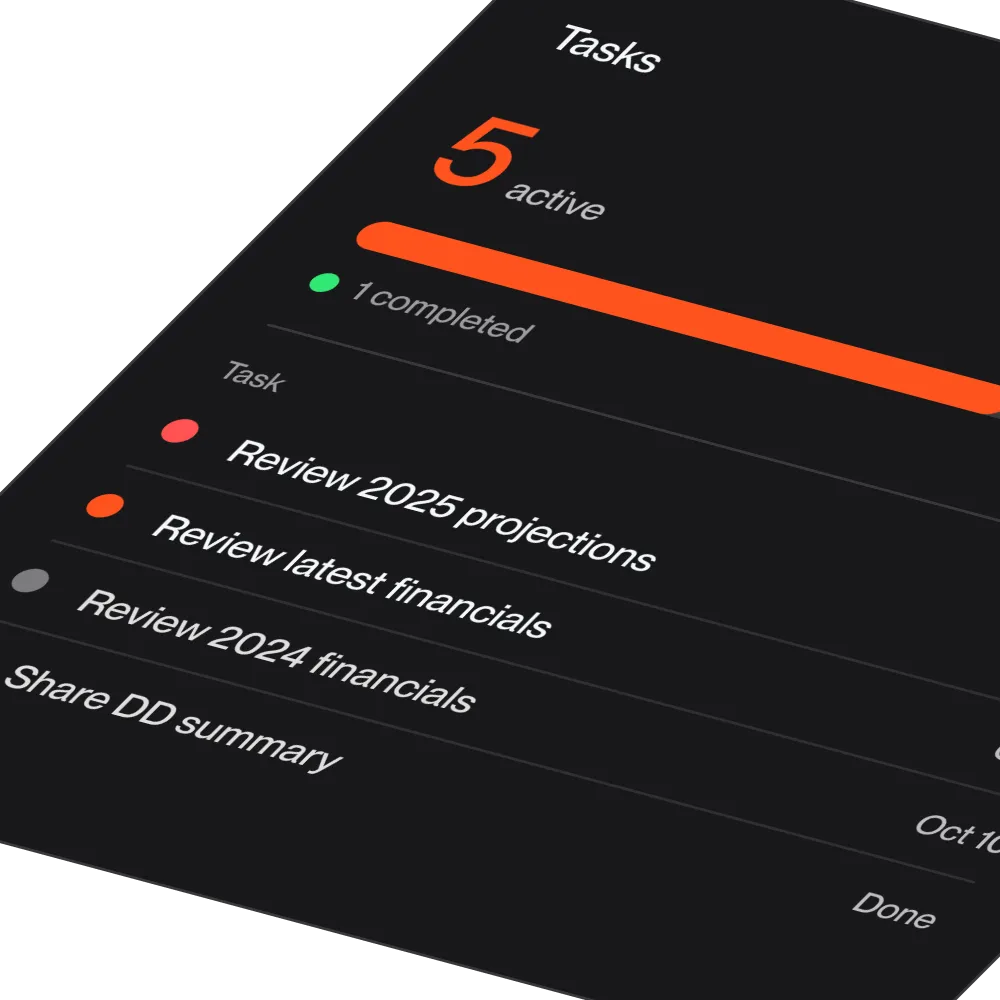
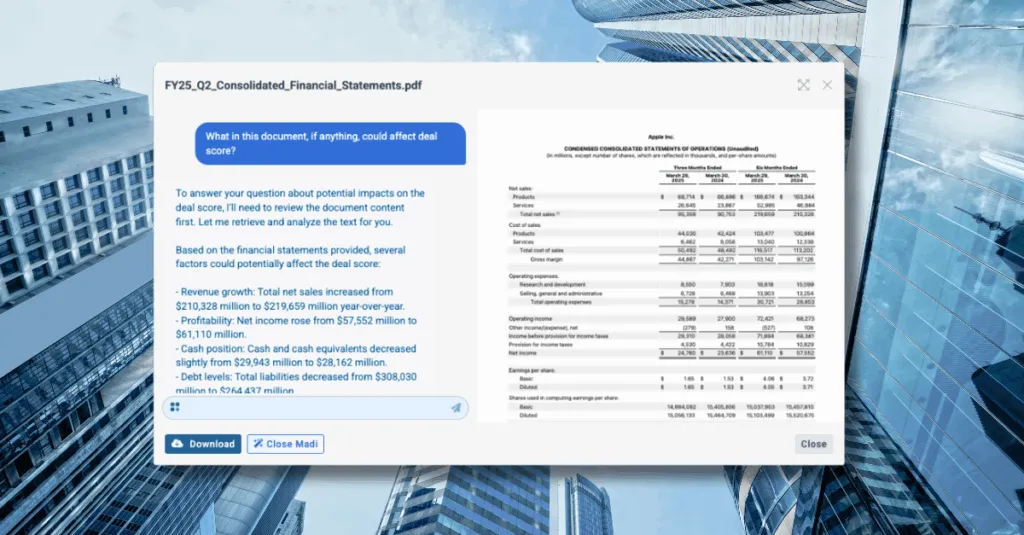
Manage documents, tasks, and risks in one smart VDR. Run multiple diligence processes in parallel and keep every stakeholder aligned.
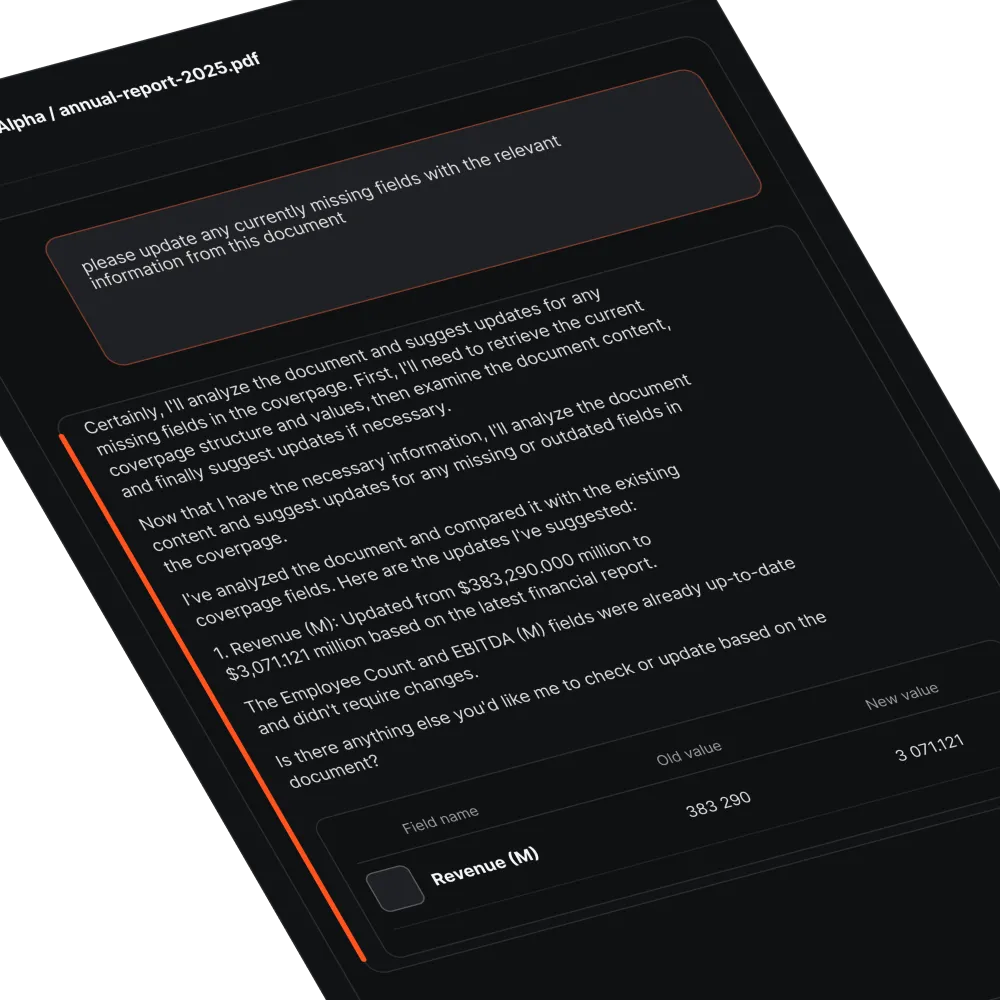
Negotiate and make decisions faster with AI-supported insights. Finalize evaluations and ensure nothing gets missed with clear closing playbooks.
“When competing for the same deal, being the easiest to transact with often wins it. Midaxo helps us stand out.”
.webp)
Co-Founder & Board Advisor at RapidFire
INTEGRATION & VALUE
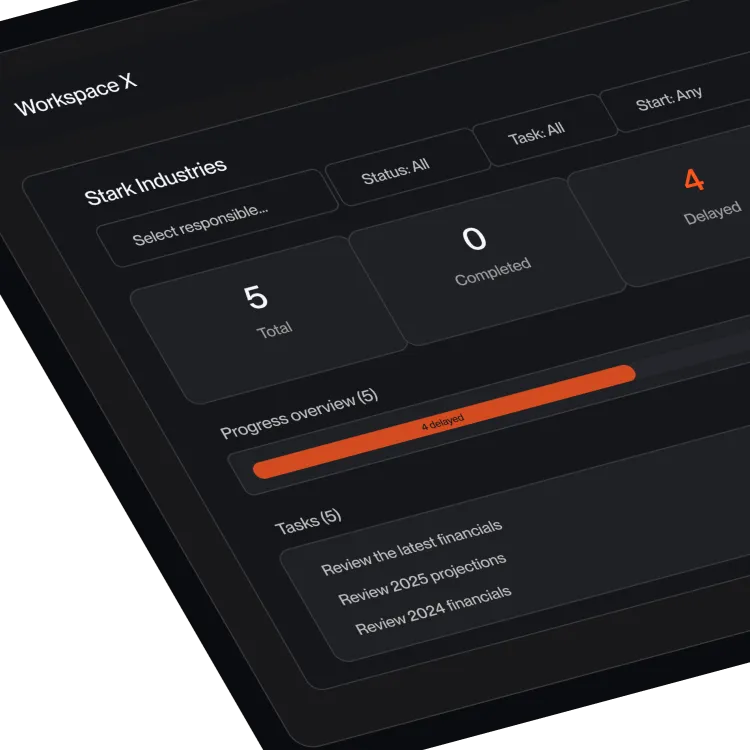
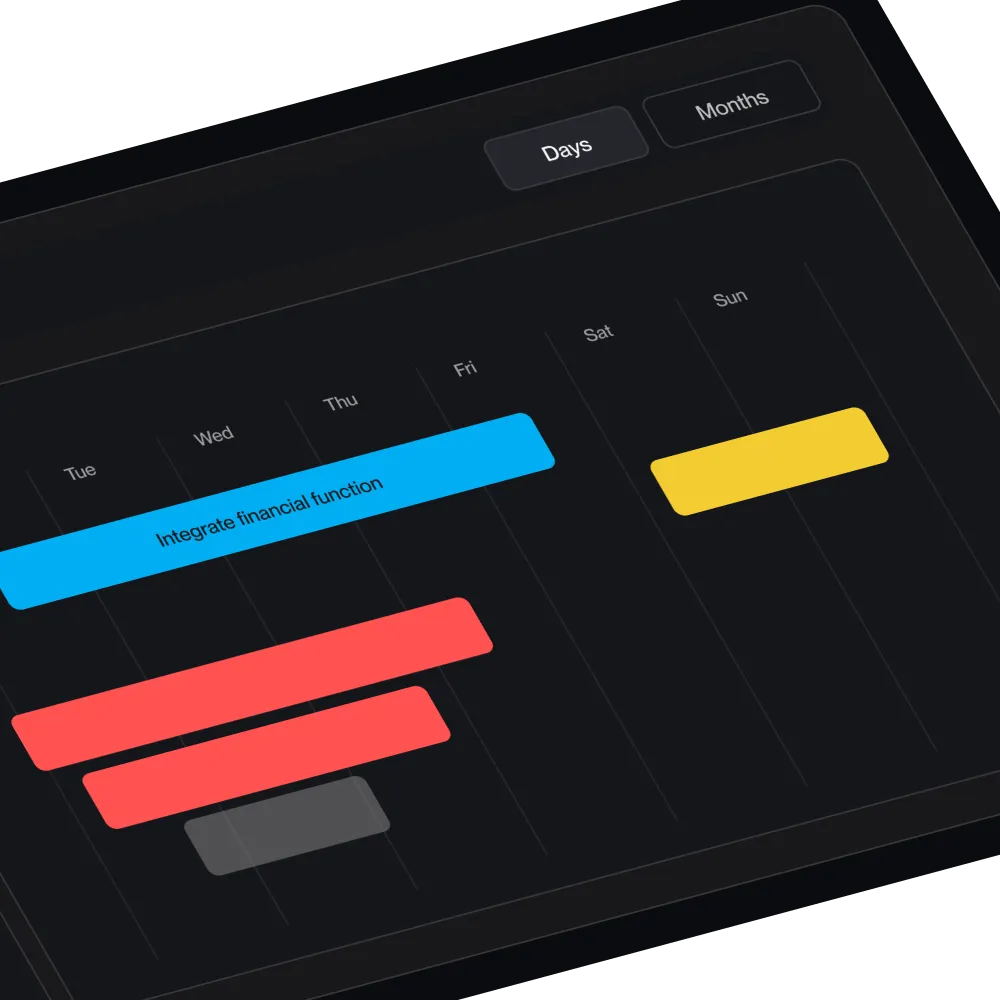
Connect teams and track progress post-close with better project management. Use built-in playbooks and task trees to keep PMI moving forward.
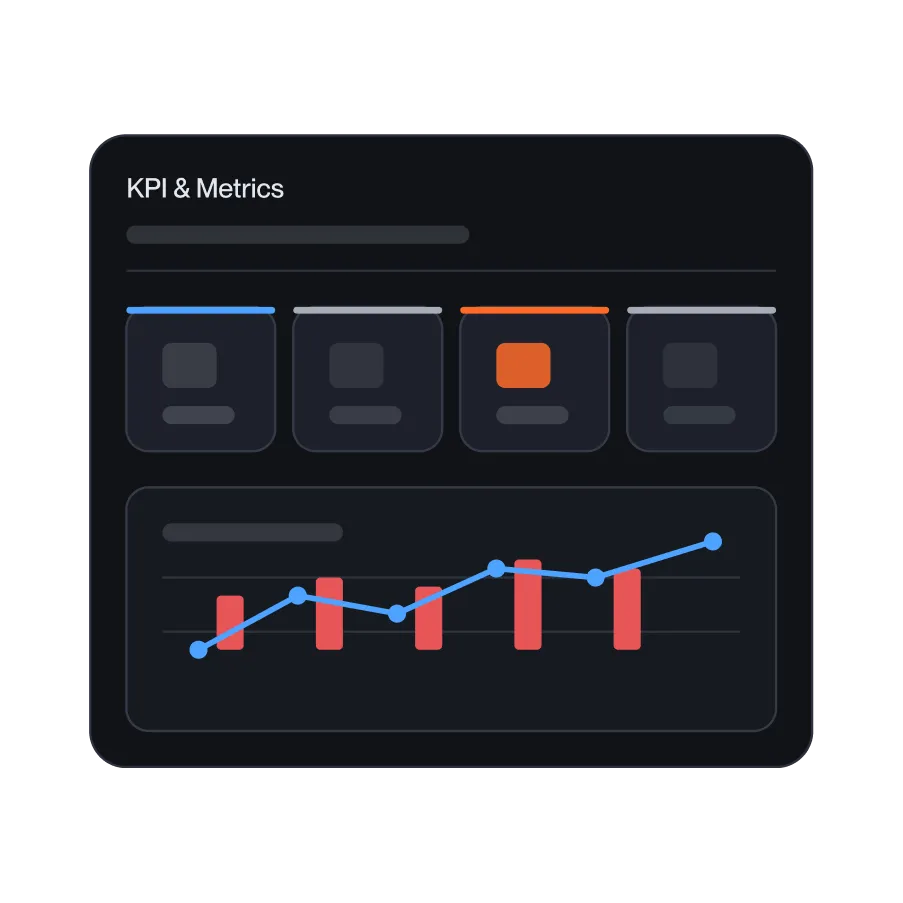
Measure results and make success repeatable with centralized KPIs and post-deal initiative tracking. Align teams on value drivers and measure what matters.
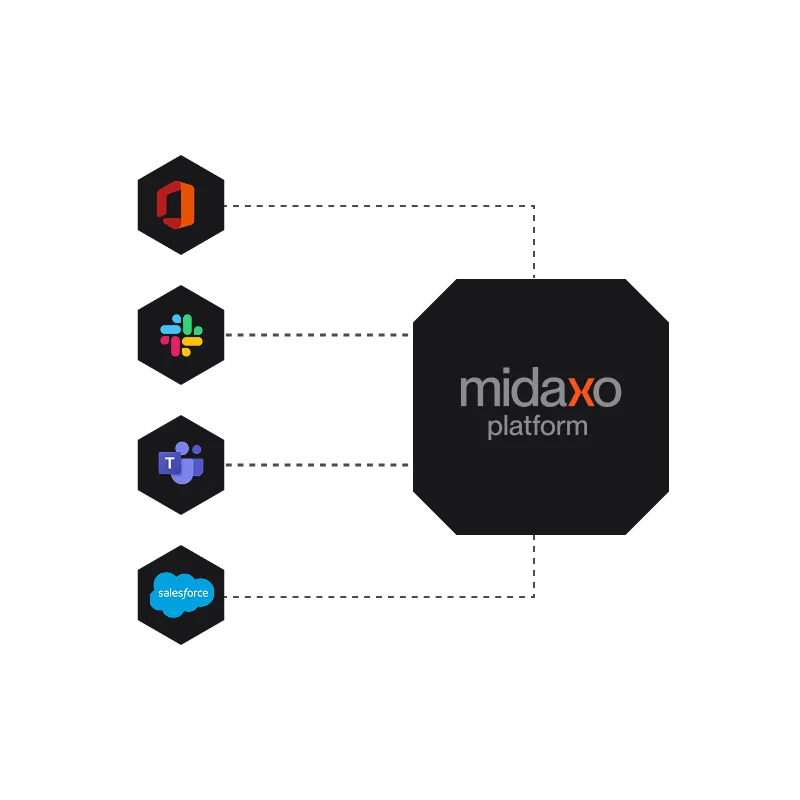
Infrastructure
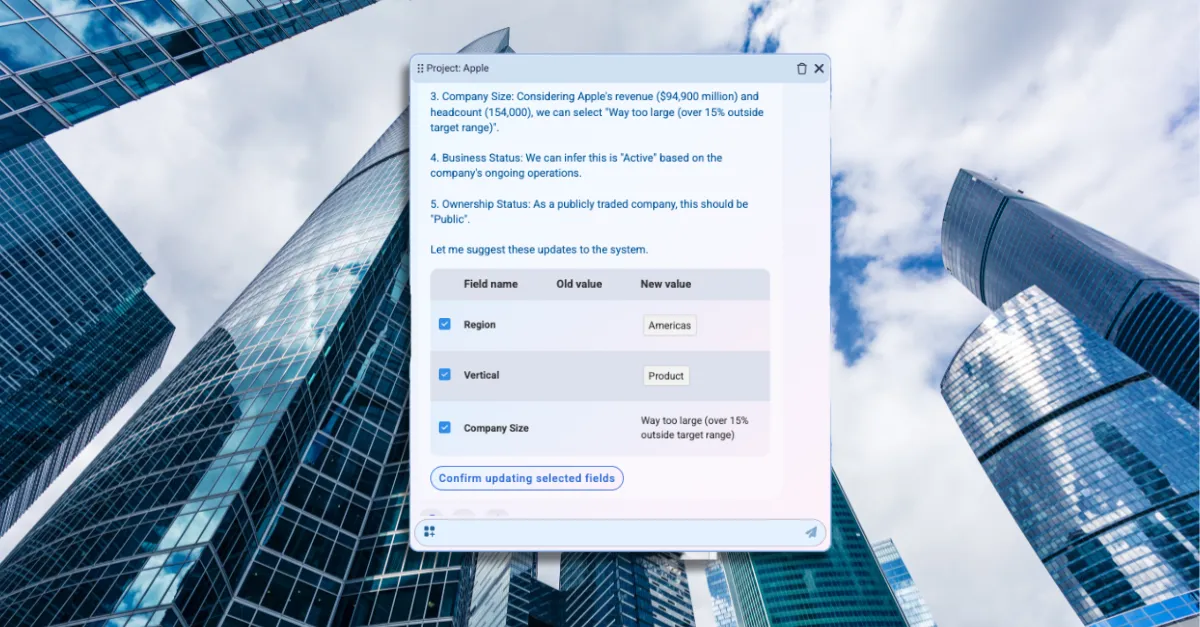
App integrations, analytics, and AI working together to make your life easier.
A modern alternative to spreadsheets and generic tools, Midaxo provides the structure, visibility, and control required to execute deals with confidence.
Highlighted story
Allstar Services
“You get pretty good at formatting Excel to make a pipeline look presentable…but it’s not exactly user-friendly. We’re running a faster, more efficient process now, and Midaxo is a huge part of that.”

Director of Corporate Development

Achieve true end-to-end clarity with all your deals, data, and workflows in one connected system.

Built-in intelligence evolves with your team and keeps you moving at the speed of the market.

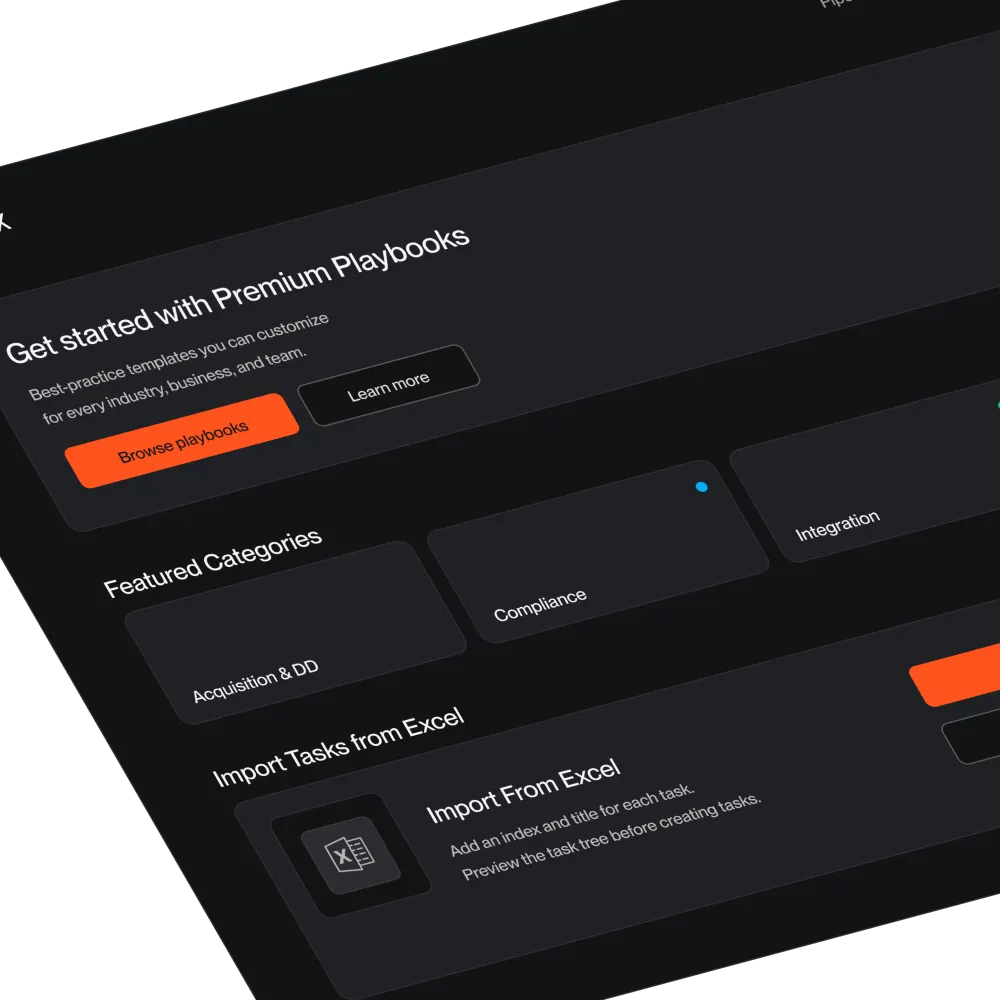
Turn best practices into playbooks for momentum and repeatable execution.

Gain visibility and control across every deal, tracking value creation as it happens.
2024
2025
2024

Corporate development, finance, and integration teams at mid-market and enterprise companies worldwide.
We want to hear from you! Contact us and we’ll get back to you with more information.
Most teams are up & running within a few days to a few weeks, supported by our onboarding experts and best-practice playbooks.





.png)